

Having a managed EDR or MDR is more important than ever today. Here is some useful information to help you with your project to implement a managed EDR.
What is an EDR solution?
Endpoint Detection and Response (EDR) is a set of cybersecurity tools designed to detect and remove any malware or other malicious activity targeting the endpoints connected to your corporate network.
In fact, endpoints and workstations are a prime target for cyberattacks because they are the weakest link in a company’s network. For example, the WannaCry attack exposed vulnerabilities in 230,000 endpoints worldwide. For companies that want to take a proactive approach to cybersecurity, it is now essential to install an EDR.
What is an EDR?
Endpoint Detection & Response (EDR) is primarily a technology that proactively addresses cyber threats. Since traditional products, such as antivirus software, take a largely reactive approach to security threats, it is important to implement an EDR as a complementary solution. This tool monitors endpoints and workstations in real time, continuously scanning for potential threats that may have infiltrated the system. With an EDR, you have greater flexibility in terms of the events that occur and the mechanisms for blocking attacks. Rapid threat detection and response enables organizations to take the security of their IT infrastructure to the next level.
What is Managed Detection & Response (MDR)
The increasing complexity and dispersion of enterprise networks mean that organizations today require advanced resources and skills—which are often difficult to obtain in-house and costly—to manage risk and improve their ability to detect cyber threats. In addition, detecting and responding to security threats is the primary focus of managed EDR services, giving these providers a high level of domain expertise.
Why choose a managed EDR?
As more and more devices connect to the corporate network and interact with third parties, the number of security breaches has increased. Your company’s ability to detect threats is critical. Without a complete picture of what’s happening in your IT environment, you may be vulnerable when a threat arises.
Managed EDR allows you to:
What is the difference between antivirus software and EDR?
The technologies we use every day and the tactics employed by attackers are becoming increasingly sophisticated. As a result, cyber threats have evolved, and antivirus software is no longer able to fully protect devices from malware. Performing behavioral analysis of device-level events has become standard practice in IT security. It is important to use an EDR in addition to antivirus software to detect anomalous behavior and identify the extent to which a device has been compromised—something that antivirus software cannot do.
Attacks that antivirus software cannot detect
Ransomware attacks
Ransomware is a type of malicious software (malware) that threatens to release or block access to data or an information system—usually by encrypting it—until the victim pays a ransom to the attacker. In many cases, the ransom demand includes a deadline. If the victim does not pay by the deadline, either the data is lost forever or the ransom amount increases.
Ransomware attacks are all too common these days. Major companies in Europe have fallen victim to them. Cybercriminals target any consumer or business, and victims come from all sectors.
File-less malware attacks
File-less malware is a type of malware that does not rely on virus-infected files to infect a host. Instead, it exploits applications commonly used for legitimate and justified activities to execute malicious code in the device’s memory.
Zero-day attacks
A zero-day attack exploits an unknown security vulnerability in a software program or computer application for which either a patch has not yet been released or the application developers were unaware of the vulnerability.
Since the vulnerability is not known in advance, exploits often occur without the users' knowledge. A zero-day vulnerability is considered a key factor in the design of an application to ensure it is effective and secure.
Managed EDR to enhance your security
Managed Detection & Response (MDR) helps strengthen existing security measures and contain threats that could bypass traditional monitoring systems. Threats such as network attacks, fileless malware, targeted attacks, and others are designed to be difficult to detect. Managed EDR enables threats to your endpoints to be addressed immediately by an analyst or through automated remediation.
The Managed EDR service therefore monitors the following threats
- Viruses and ransomware
- Data theft
- Internal and external malware
ITrust Managed EDR for a high level of security
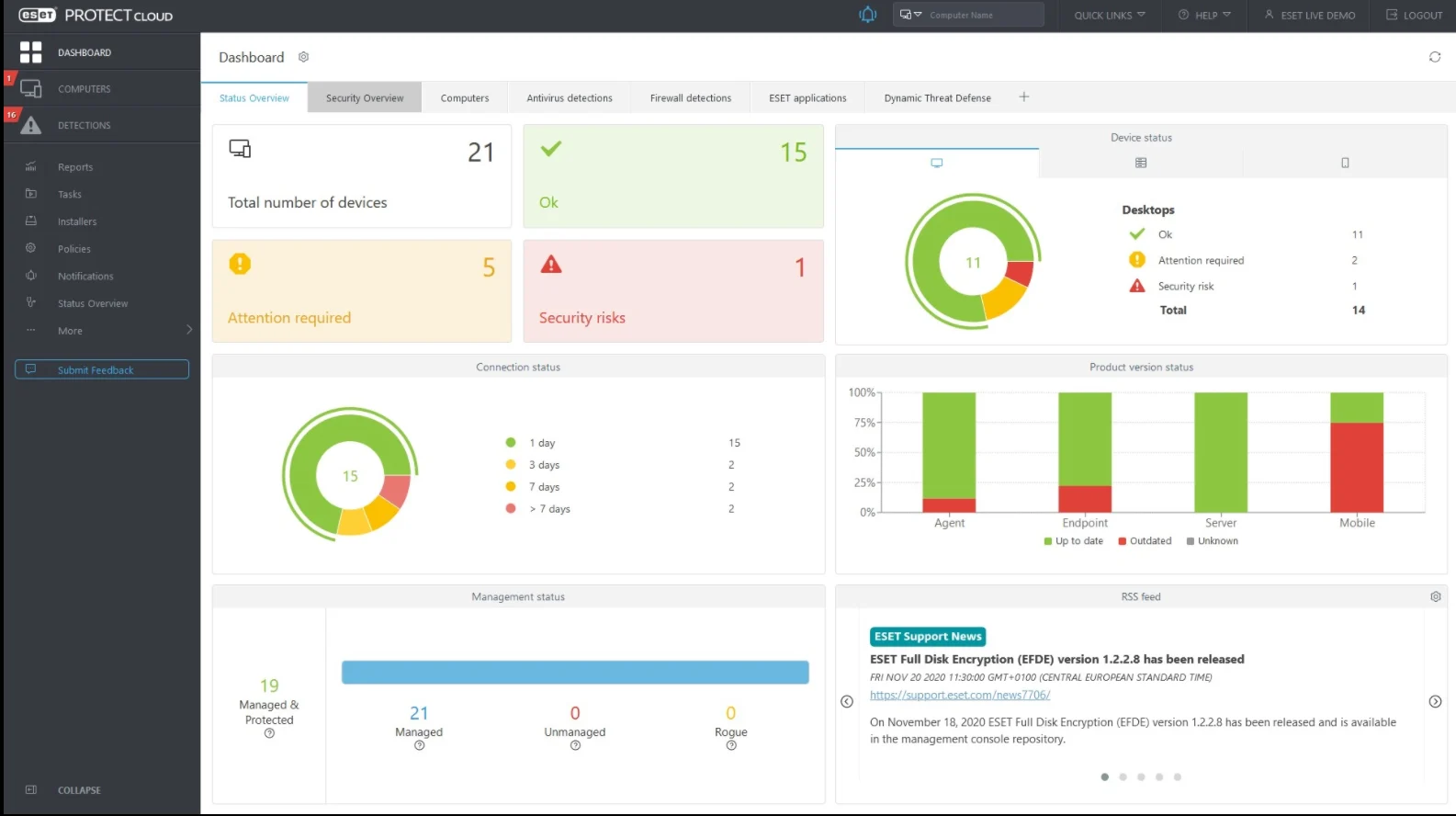
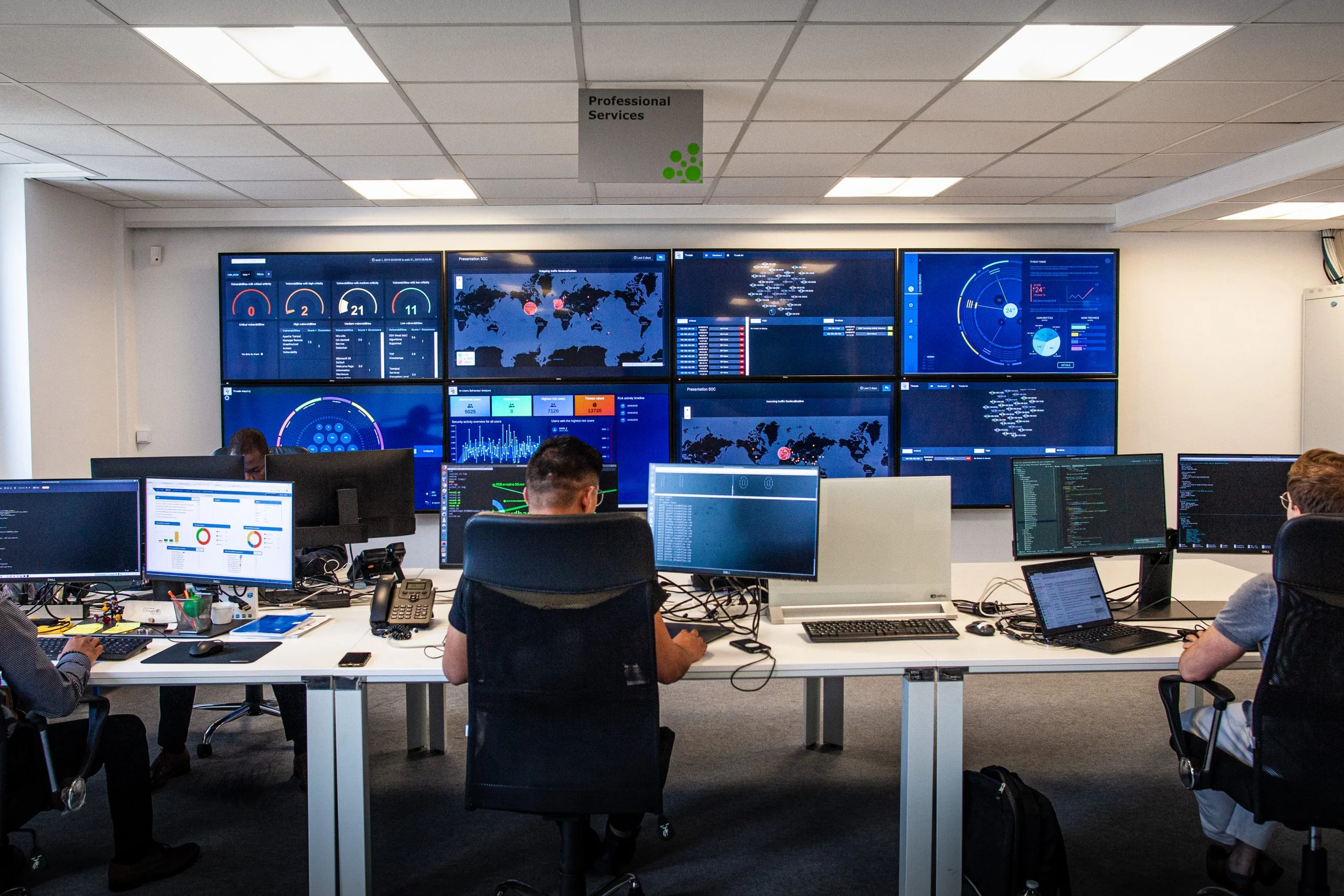
Your EDR platform, managed by ITrust’s MSSP teams, is a unique and sovereign threat detection and remediation solution available to all organizations. Ensure the security of your desktops and servers with a high-performance service available 24/7; stay informed about incidents as they occur through a rapid alerting process; and block threats by immediately isolating potentially infected components.
- 24/7 monitoring
- Detection of Security Threats
- Automated or manual remediation, depending on your preference
- Quick response time
- Respect for the sovereignty of your data (a European solution not subject to the Patriot Act or the Cloud Act)
- State-approved and ISO 9001-certified
ITrust offers various types of managed EDR solutions:
Articles related to Managed

ISO 9001:2015 certification for all processes

The SOC Reveelium is U.A.F.-certified by the French Ministry of Defense
PASSI qualified by ANSSI (Intrusion Testing and Architecture)